Sikhism Khanda Embroidery Review
As an embroidery designer who regularly explores new Creative Fabrica embroidery designs for both personal and commercial use, I recently had the chance to review the Sikhism Khanda redwork embroidery design. This piece stood out not just for its cultural significance but also for its potential in a variety of handmade and commercial projects. Here's my honest take on how it performed in real-world scenarios.
First Impressions: Visual Mood and Detail Level
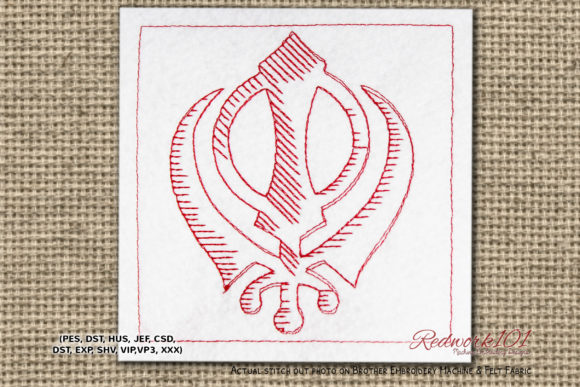
The Sikhism Khanda exudes a sense of reverence and symbolism. The design is minimalist yet meaningful, with clean lines and geometric precision that speak to its religious roots. The redwork style gives it a classic, handcrafted feel, which makes it ideal for handmade products or personalized gifts. The optional box stitch adds a subtle layer of complexity without overwhelming the main imagery, making it versatile for different stitching techniques.
While the outer box color may vary depending on the design, the core elements remain consistent, ensuring that the Sikhism Khanda maintains a cohesive look across various fabric types and colors. This consistency is crucial when creating embroidered patches or custom apparel where visual uniformity is key.
Real-World Performance: From Tote Bags to Sweatshirts
I tested the Sikhism Khanda on several materials including cotton, polyester blends, and even stretchy fabrics like knits. The design worked well on most surfaces, though some adjustments were needed for stretchier materials. Using a proper stabilizer helped maintain the integrity of the stitches, especially in areas with dense stitch patterns.
For tote bag designs, the Sikhism Khanda looked impressive when placed centrally on the front panel. The contrast between the redwork and the fabric background was striking, which added visual appeal. On sweatshirt embroidery, I found that using a light-colored thread on darker fabric created a more dramatic effect, enhancing the symbolic presence of the design.
When applied to baby items such as aprons or pillow covers, the Sikhism Khanda brought a unique touch of spirituality and elegance. It was particularly effective on natural fibers like linen or organic cotton, where the texture complemented the embroidery.
Practical Use: Small Hoop Sizes and Tiny Lettering
If you're working with small hoop sizes or need to stitch intricate details, the Sikhism Khanda can be adapted with careful planning. The design doesn't feature overly tiny lettering, which is a relief for those who struggle with fine details on smaller hoops. However, if you plan to use this design on curved cap surfaces or layered details, you'll need to ensure that the file allows for flexibility in placement and scaling.
For products that need frequent washing, I recommend testing the Sikhism Khanda on scrap fabric first to check how the stitches hold up over time. A good quality stabilizer and proper tension settings are essential for long-lasting results.
Impact on Product Value and Customer Engagement
Incorporating the Sikhism Khanda into your product lineup can significantly enhance its value. Whether you're selling handmade gifts on Etsy or offering custom apparel at craft fairs, this design brings a unique cultural element that sets your work apart. Customers often appreciate the thoughtfulness behind such designs, which can lead to increased engagement and repeat purchases.
The Sikhism Khanda also plays well with printable mockups and digital embroidery files, making it easier to showcase your finished products online. When paired with high-quality photos and clear descriptions, this design can attract buyers looking for something meaningful and visually appealing.
Embroidery Notes and Tips for Success
Before diving into your next project with the Sikhism Khanda, here are a few practical tips:
- Test on scrap fabric: Always test the design on a sample piece before committing to a full project. This helps identify any issues with stitch density or thread visibility.
- Check thread color contrast: Ensure the thread color complements the fabric you're using. Darker fabrics will require lighter threads for optimal visibility.
- Review stitch density: If the design has dense areas, consider adjusting the stitch count or using a stabilizer to prevent puckering.
- Confirm hoop size: Choose a hoop that comfortably fits the entire design to avoid stretching or distorting the pattern.
- Compare light and dark fabric mockups: Seeing how the design looks on different fabric tones can help you decide on the best application for your project.
- Use proper stabilizer: Especially important for stretchy or textured fabrics, a good stabilizer ensures your stitches stay intact through multiple washes.
- Inspect small details after stitching: Take time to examine the final product under good lighting to catch any imperfections before selling.
- Confirm file details and licensing: Always review the product page on Creative Fabrica to understand the file formats, usage rights, and any restrictions before selling your finished goods.
The Sikhism Khanda is more than just an embroidery file — it's a meaningful addition to any collection of design assets. Whether you're crafting handmade products for yourself or selling them commercially, this design offers versatility, depth, and a touch of spiritual significance that resonates with many.
As with any Creative Fabrica embroidery design, it's always wise to evaluate how well it aligns with your brand, project needs, and customer preferences. With thoughtful preparation and attention to detail, the Sikhism Khanda can become a standout feature in your creative portfolio.